AI & Agent Workflows
AI grounded in your ontology. Agents governed by your business rules, with human-in-the-loop where it matters.
We don't do prototype theater. A chatbot that answers questions about a PDF is a demo. An agent that reconciles an invoice, flags the three that don't match, and routes them to the person who can fix it is a system.
The difference is grounding. Our agents read from your ontology, so they operate on the same objects and the same permissions your people do. They take actions from your action catalog, which means every write is validated and logged before it commits.
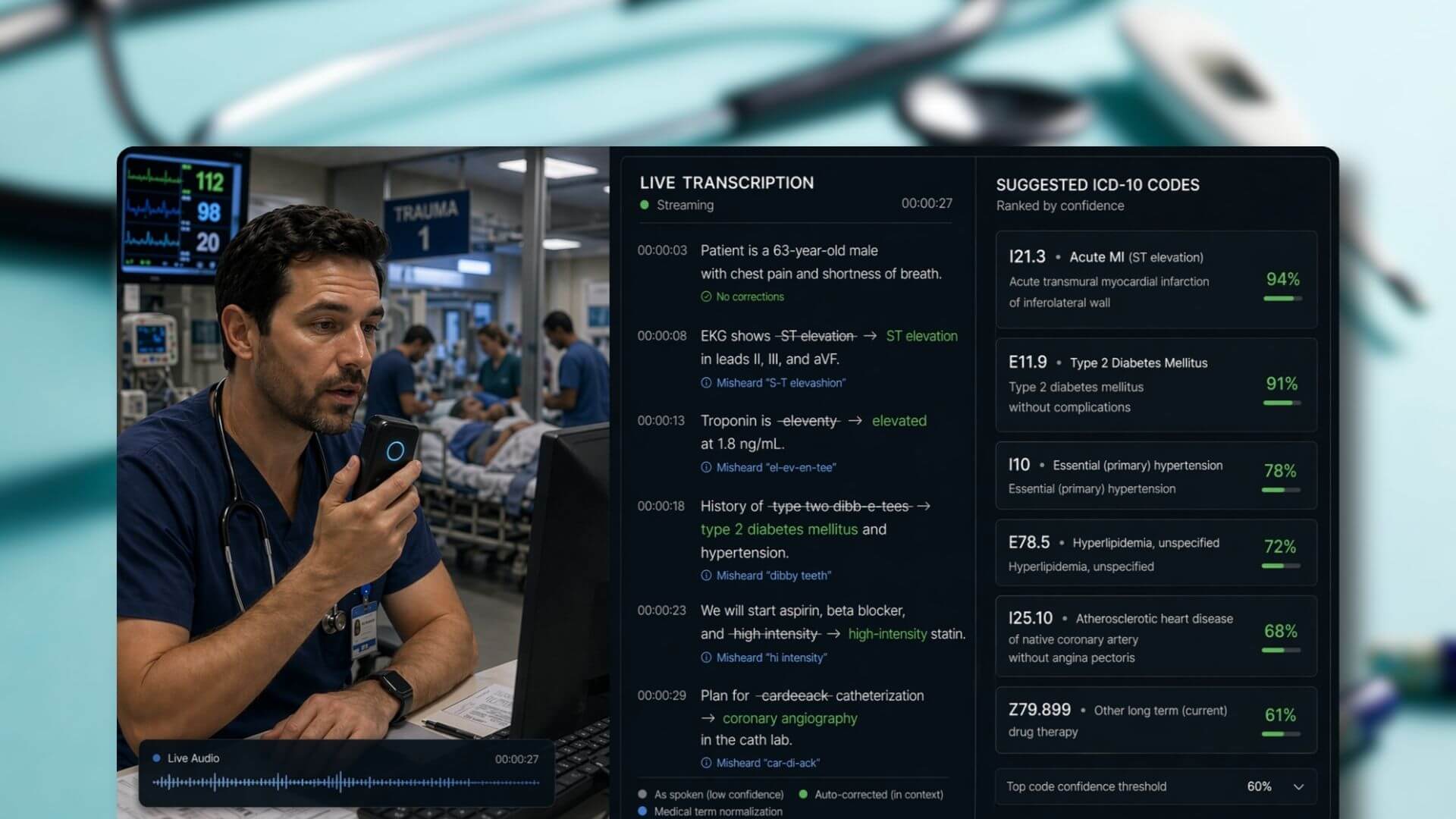
Where the stakes are high, a person stays in the loop. Not as a rubber stamp, as a real review station with the context to make the call in a few seconds. That's the part most AI projects skip, and it's usually why they never make it to production.
We don't do prototype theater. Agents ship into production workflows with audit trails, quality gates, and a human validation station where the stakes call for one.
Grounded agents
Agents that read your objects, not a scraped copy of them. Same data, same permissions, same definitions your operators use, so the answer holds up when someone checks it.
Governed actions
An agent proposes a write. Your rules validate it. The system logs who or what asked, what changed, and why. Nothing commits outside the action catalog.
Human in the loop
A review station where a person sees the proposal, the evidence, and the confidence, then approves or corrects in a couple of seconds. The corrections feed back into quality.
Quality gates and evals
Confidence thresholds, sampling, and a conductor that routes low-confidence work to review instead of pushing it through. You get a measured accuracy number, not a vibe.
Retrieval that respects permissions
Context filtering so an agent never surfaces a row the person asking isn't cleared to see. Access control at retrieval time, not bolted on after.
Audit trail
Every prompt, every source, every action, kept. When someone asks why the system did what it did nine months ago, there's an answer.
Narrow first. Checkpoint often. Nothing you can't walk away from.
Discovery
A short sprint with your operators. We map the use case, the objects, and the data you actually have, not the data the diagram says you have.
First build
We pick the thinnest slice a real person can use on a real day, and ship that. Production-ready on the first release, not a prototype we promise to harden later.
Every two weeks
A checkpoint and a decision. You see working software, you tell us what is wrong, we adjust. You are never locked into the next phase.
Handover
Documentation, runbooks, and your engineers in the repo while we build. If we disappear, the thing keeps running.
What you're handed
Agents running inside a real workflow, not a sandbox
A human validation station wired into the steps that need one
Confidence thresholds and quality gates with a measured baseline
Full audit trail on prompts, sources, and actions
Escalation paths for what the agent should refuse to decide
Same discipline, different floor.
- HealthcareInvoice and contract reconciliation across facilities, with the exceptions routed to a human.
- GovernmentHigh-volume document review where every automated call has to survive a legal challenge.
- ManufacturingProcurement and shortage triage that drafts the action and waits for a buyer to confirm.
- Financial ServicesDocument and counterparty checks with sampling and a measured accuracy rate.
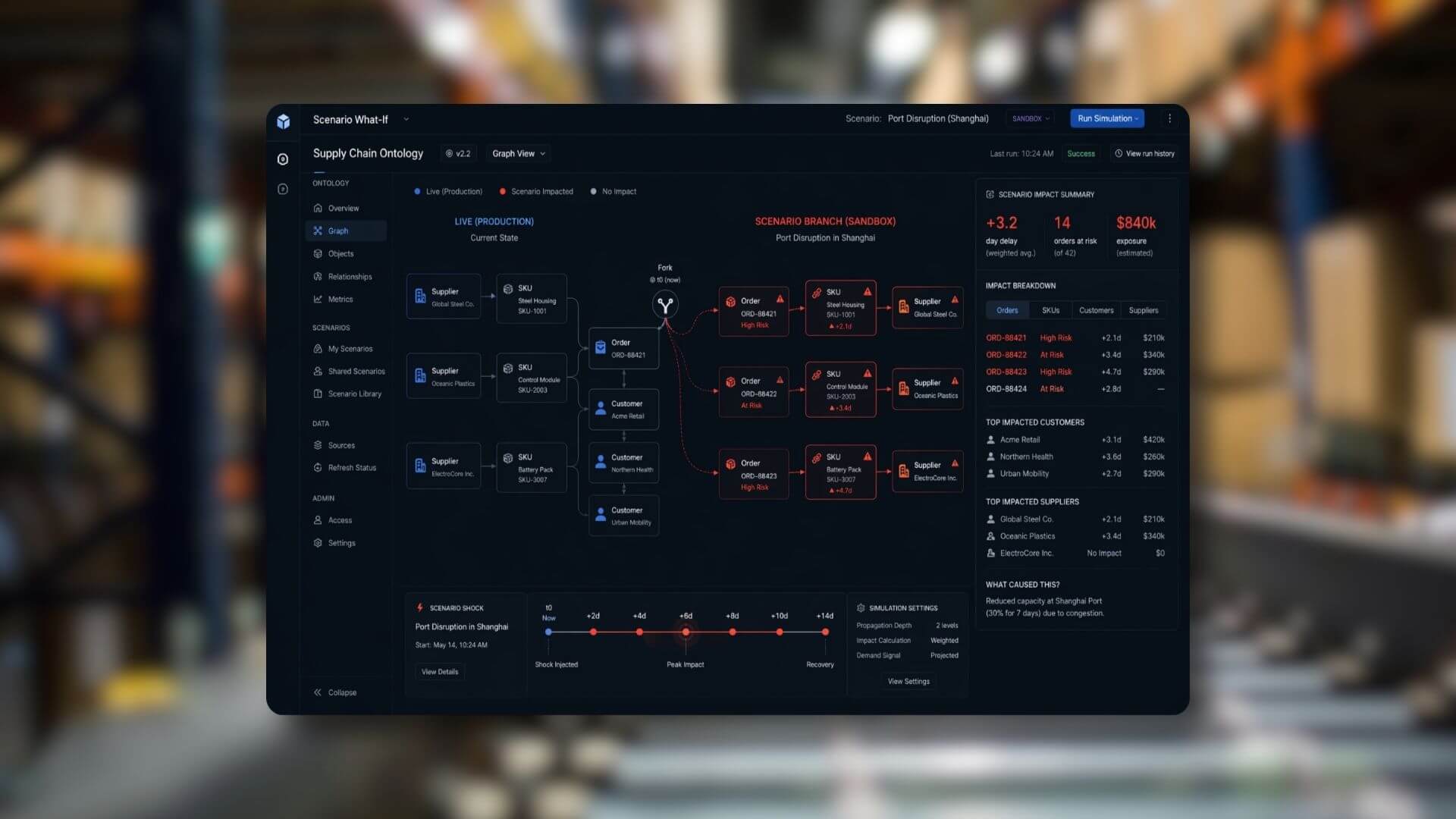
- Public SafetyScenario planning and after-action review run against the operational graph.
Shipped, running, and measured.
Handwritten Document Processing
Petition Signature Verification
Reusable compute modules for handwritten data extraction, signature comparison, and guided human review at scale.
390K+
Signatures Processed
30%
Cost Reduction
95%
Less Manual Review
100%
Traceability
Mass Event Security Planning
Counter-UAS Simulation
3D simulation for counter-UAS response planning, enabling security teams to rehearse and refine strategies on Palantir.
50+
Zones Per Venue
<5 min
Scenario Launch
100K+
Event Capacity
150+
Response Paths
Revelation, not reinvention.
We've built this before. These are deployable pieces we bring in on day one instead of billing you to write them again.
- Widget
Human Validation Station (HITL)
Lightweight human-in-the-loop review and correction interface with audit trail.
- AIP Logic
Agentic Quality Conductor
Evaluates AI output and routes low-quality results back for regeneration.
- Model
LLM Context Filter
Uses language models to filter low-value retrieval results and improve grounded generation quality.
- Code / SDK
AI Chatbot SDK App
External React/Next.js app layer for Palantir Agent Studio agents, built with Ontology SDK and Platform SDK.
Tell us what's breaking. If we're not the right team for it, we'll say so and point you somewhere better.